Procurement decisions made at tender stage can have significant consequences for cost, programme, quality and project delivery.
This conference brings together procurement, engineering, legal and compliance experts to explore practical approaches to supplier management, contract control, specifications, materials planning and performance management.
Through real-world examples, you will learn how to reduce risk, improve supplier outcomes, strengthen delivery controls and make better procurement decisions across engineering works and technical supply projects.
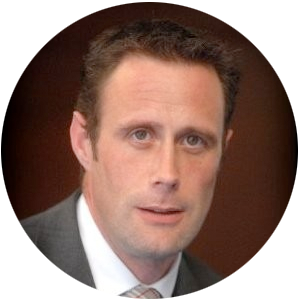
Ross McCarthy, MD, Keystone Procurement
Speaker: Seán Bresnan, Managing Director, APSC Consultancy Services Ltd
Speaker: Monika Bis, Senior Procurement Consultant, ARVO Procurement
Speaker: Younes Guessous, Associate Director, KPMG in Ireland
Speaker: Paul Tohill, Legal Director, Browne Jacobson LLP
Speaker: Eoghan Kenny, Founder and CEO of The Compliance Team
Speaker: Donnacha Phelan, Director, Keystone Procurement
Speaker: Graham Proudfoot, Head of Procurement, The Land Development Agency
SAVE 100.00 EURO BY BOOKING THE EARLY BIRD RATE OF €475 + VAT per Person – Normal Rate @ €575 + VAT.
Please note the early bird discount can close sooner than expected once a certain number of places fill up, therefore your prompt booking is strongly advised to avoid disappointment.
CMG Events Conference Discount

Procurement decisions made at tender stage can have significant consequences for cost, programme, quality and project delivery.
This conference brings together procurement, engineering, legal and compliance experts to explore practical approaches to supplier management, contract control, specifications, materials planning and performance management.
Through real-world examples, you will learn how to reduce risk, improve supplier outcomes, strengthen delivery controls and make better procurement decisions across engineering works and technical supply projects.
SAVE 100.00 EURO BY BOOKING THE EARLY BIRD RATE OF €475 + VAT per Person – Normal Rate @ €575 + VAT.
Please note the early bird discount can close sooner than expected once a certain number of places fill up, therefore your prompt booking is strongly advised to avoid disappointment.
CMG Events Conference Discount
For a full list of speakers, detailed agenda and more