Start Time
9:00 AM
End Time
4:30 PM
DELIVERY
Online
There will be CPD hours awarded to attendees. Please check directly with your association or awarding body to see how many points they will award.

We are currently experiencing a technical issue with our booking forms.

To secure a place, please contact us on 01 2933650 or email linzi@cmgevents.ie

About this Conference

Practical Flood Risk Insights for Every Stakeholder

Ireland continues to experience more frequent and severe flooding events testing the limits of our national defences, planning system, and emergency coordination. The Flood Risk Stakeholder Conference 2026 brings together local authorities, state agencies, emergency services, insurers, and planners to share practical solutions for reducing risk and strengthening resilience.

From understanding residual flood exposure and securing OPW funding, to integrating SuDS in housing developments and advancing nature-based solutions, this one-day event will explore how Ireland can move from reactive response to proactive, data-driven prevention. Attendees will gain the latest insights on design-led planning, AI-enabled infrastructure, insurance collaboration, and lessons learned from recent flood emergencies all focused on building safer, more sustainable communities nationwide.

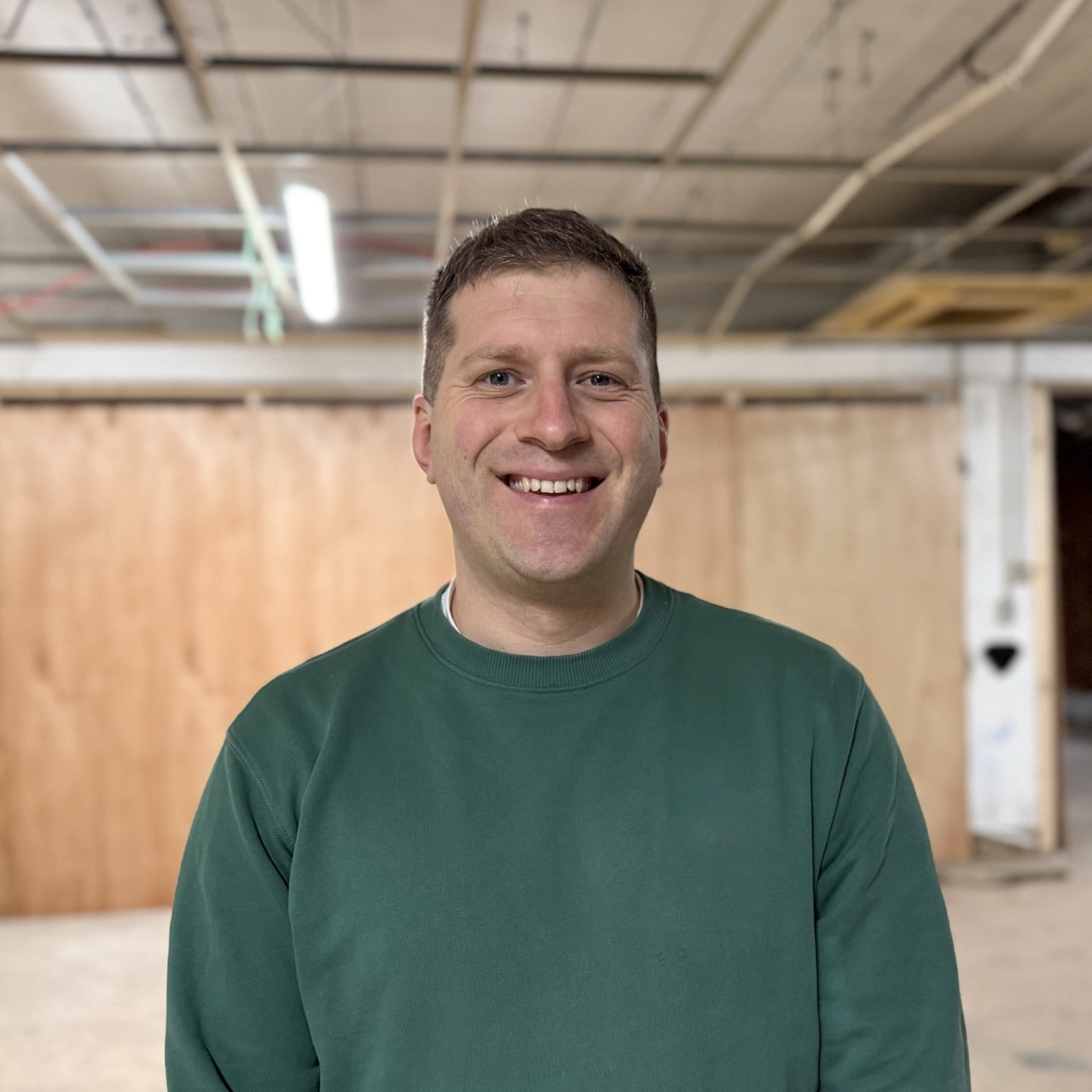
A word from our conference chairperson

Agenda

Conference Chairperson & Opening Remarks

Residual Flood Risk & Design-Led Planning – Managing What’s Still at Stake

Speaker: Mistaya Langridge, MASc, EIT, MIEI, Senior Engineer, McCloy Consulting

  • Identifying the exposures not captured by CFRAM or historical mapping, including pluvial, groundwater, and coastal risks
  • Incorporating updated OPW guidance and local flood relief scheme data into risk planning
  • Making FRAs and SFRAs meaningful, inspection-proof, and aligned with the 2009 Guidelines and Climate Adaptation Framework (2024–2030)
  • Clarifying operational roles across OPW, Uisce Éireann, and local authorities to avoid duplication and close accountability gaps
  • Ensuring design, planning, and emergency management operate as a single, integrated system for community resilience

Nature-Based and Sustainable Flood Management

Speaker: Jonathan Cooper, Flood Resilience and Adaptation Consultant, Cooper Resilience Consulting Ltd

  • Integrating engineered defences with natural floodplains, wetlands, and blue-green infrastructure
  • Aligning Irish projects with the EU Nature Restoration Law (2024) and domestic biodiversity targets
  • Cost-effective implementation through hybrid “green-grey” approaches promoted by OPW and EPA
  • Funding opportunities through LIFE, Horizon Europe, and the Climate Adaptation Fund
  • Demonstrating community, biodiversity, and economic co-benefits of nature-based flood schemes

Attributing and Scaling Climate Change Impacts on Floods Through Causal Chains: Evidence from the Shannon Catchment

Speaker: Prof. Conor Murphy, Irish Climate Analysis and Research UnitS (ICARUS), Department of Geography, Maynooth University

  • Examining how climate change is influencing flood-relevant rainfall and flood magnitude
  • Demonstrating a causal-chain framework linking global temperature rise to local hydrological impacts
  • Demonstrating how climate-driven and catchment-driven effects can be separated
  • Providing emerging evidence of an anthropogenic signal in the Shannon catchment
  • Highlighting how the approach can extend to droughts, low flows, and wider water-system impacts

OPW Funding Applications – Meeting the Technical and Evidence Requirements

  • Understanding what qualifies as robust evidence for Minor Works and Major Flood Schemes
  • Building strong business cases with clear benefit-cost ratios, hydrological modelling, and optioneering
  • Sequencing feasibility studies, stakeholder consultation, and funding bids to streamline delivery
  • Incorporating new co-funding opportunities under the Climate Adaptation Fund and EU resilience programmes
  • Avoiding rework through technically sound, stakeholder-aligned submissions

Sustainable Drainage Systems (SuDS) in Housing Development and Flood Risk Management

  • Applying the Flood Risk Management Guidelines (2009) and the Justification Test in housing development and rezoning decisions
  • Integrating Sustainable Drainage Systems (SuDS) as a core requirement in all new residential developments under national guidance expected in 2025/2026
  • Using SuDS-led design to reduce long-term flood exposure while continuing to meet Housing for All delivery targets
  • Retrofitting and elevating existing homes in flood-prone areas — design considerations, funding routes, and insurance implications
  • Balancing national housing supply with local flood risk, insurance viability, and long-term climate resilience

Coordinating Flood Emergency Response – Lessons from Recent Events

  • Reviewing Ireland’s 2023–2024 flood events and identifying where coordination succeeded or failed
  • Strengthening collaboration between Fire Services, Civil Defence, Coast Guard, local authorities, and the OPW under the Framework for Major Emergency Management (MEM)
  • Updating MEM protocols to reflect climate-driven and localised flood events
  • Improving real-time communications, early-warning alerts, and public messaging across agencies
  • Using recovery data and after-action reviews to drive preparedness and continuous improvement

Insurance, Risk Sharing and Economic Recovery

  • How insurers, government, and local authorities can collaborate to make flood insurance affordable and accessible
  • Data-sharing between insurers and OPW to improve risk mapping and flood-scheme prioritisation
  • Incorporating insights from the Insurance Ireland Flood Committee and emerging recommendations under the National Resilience Plan
  • Managing business continuity and recovery for SMEs and homeowners after severe flooding
  • International examples (e.g. UK Flood Re) and how similar risk-sharing models could be adapted for Ireland

Who Should Attend?

This event is for public sector and consulting professionals involved in planning, engineering, funding, or delivering flood and coastal resilience — including local authority directors, engineers, planners, emergency managers, housing and coastal officers, procurement teams, risk managers, and project consultants.

Speakers

Mistaya Langridge
MASc, EIT, MIEI, Senior Engineer, McCloy Consulting

Price

Early Bird Rate - €475 + VAT per Person

Normal Rate - €575 + VAT per Person

Please note the early bird discount can close sooner than expected once a certain number of places fill up, therefore your prompt booking is strongly advised to avoid disappointment.

CMG Events Conference Discount

  • 10% discount for the third delegate booked or subsequent bookings thereafter from the same company.