
Fire safety in 2026 is increasingly focused on the reality of managing existing, occupied buildings rather than simply understanding headline risks. For many organisations, the real pressure points are older buildings, passive fire defects, retrofit works, unclear responsibility lines, evacuation planning, testing regimes, and proving that systems, records and decisions will stand up to scrutiny if something goes wrong.
This year’s agenda focuses on the practical risks,responsibilities and challenges arising across public, private, residential,healthcare, education, commercial and mixed-use settings.
Laurence Skelly, MSc. (Env. Health & Safety), BSc. (Health Science), MIES, Grad IOSH
Speaker: Jensen Hughes
Speaker: John Tiernan, BEng (Fire Engineering), FEng.IIESMS, M.IFSM, Phoenix STS
Speaker: Paul Condron, Paul Condron Consulting Engineering Ltd - PCCE Training
Speaker: David O’Reilly CFIFireE, IAPFP (The Irish Association for Passive Fire Protection)
Speaker: Jensen Hughes
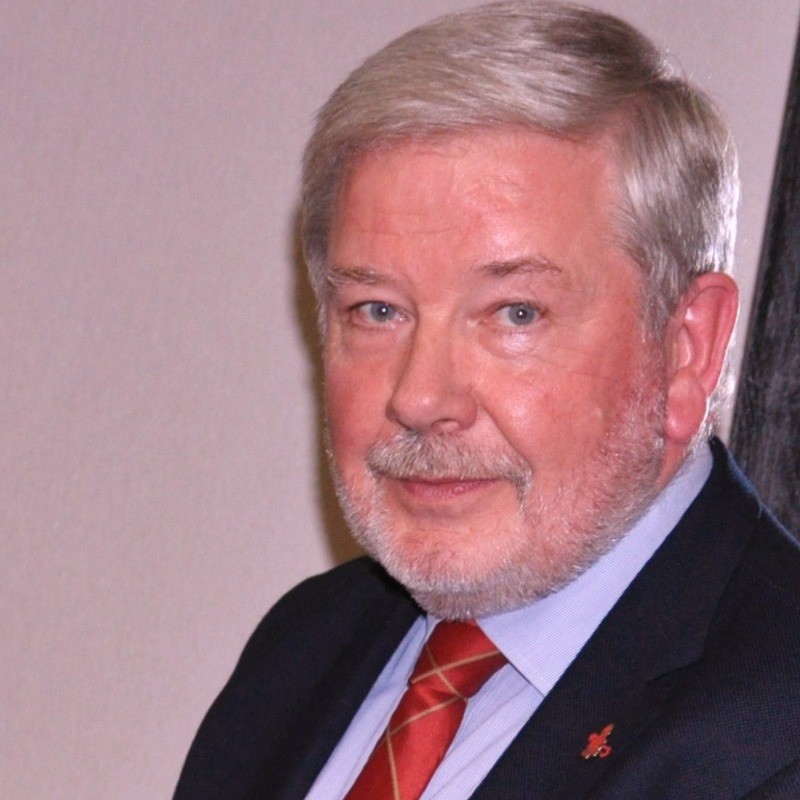
Speaker: Paddy McDonnell, CEO, Phoenix STS. BEng (Fire Engineering)., F.IIESMS., MIIRSM,. M.IFSM., MIHEEM., CMIOSH., M.NFPA., MLDI., H.Dip. SHWW.
.jpg) Paddy McDonnell
Paddy McDonnell1st Early Bird Rate - €475 + VAT
2nd Early Bird Rate - €495 + VAT
Normal Rate €575 + VAT
Please note the early bird discount can close sooner than expected once a certain number of places fill up, therefore your prompt booking is strongly advised to avoid disappointment.
CMG Events Conference Discount

Fire safety in 2026 is increasingly focused on the reality of managing existing, occupied buildings rather than simply understanding headline risks. For many organisations, the real pressure points are older buildings, passive fire defects, retrofit works, unclear responsibility lines, evacuation planning, testing regimes, and proving that systems, records and decisions will stand up to scrutiny if something goes wrong.
This year’s agenda focuses on the practical risks,responsibilities and challenges arising across public, private, residential,healthcare, education, commercial and mixed-use settings.


This conference is designed for:
It will also benefit professionals responsible for fire safety, building compliance and emergency preparedness across occupied residential, healthcare, education, commercial and mixed-use buildings.
1st Early Bird Rate - €475 + VAT
2nd Early Bird Rate - €495 + VAT
Normal Rate €575 + VAT
Please note the early bird discount can close sooner than expected once a certain number of places fill up, therefore your prompt booking is strongly advised to avoid disappointment.
CMG Events Conference Discount
For a full list of speakers, detailed agenda and more



.png)



.png)